




Advertisement
Of course, we want our pups to be happy from head to tail, but what does happiness look like in dogs? Dog behaviour is complex, so it can be hard to tell how our pups feel — whether happy, unhappy or somewhere in between. According to a report published in Frontiers in Psychology, research on positive dog emotions like happiness is somewhat sparse. So you might wonder: how do I know if my dog is happy?
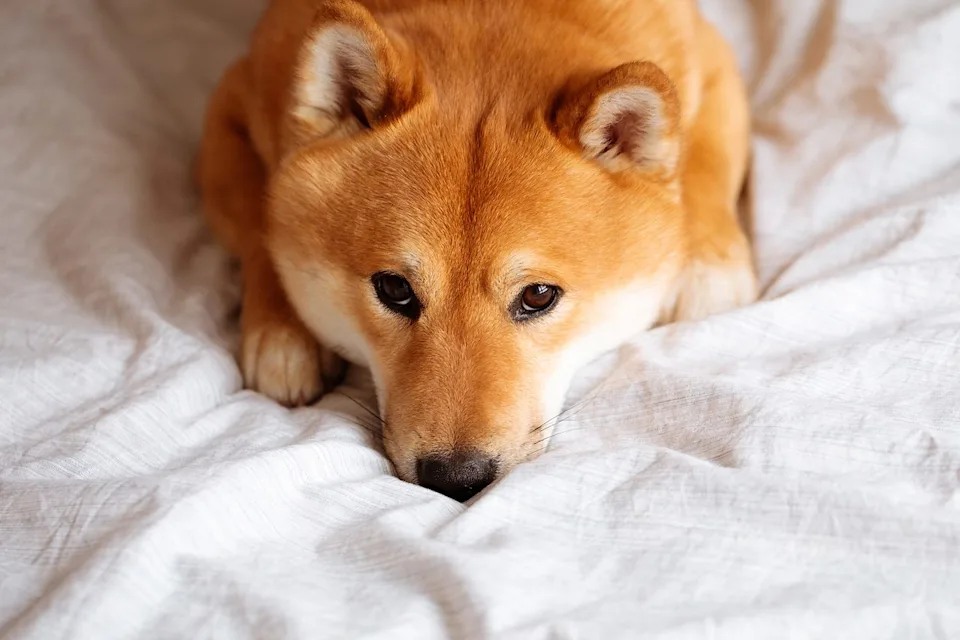
"Happy dogs look happy," says Marc Bekoff, PhD, an expert animal behaviourist and professor emeritus of ecology and evolutionary biology at the University of Colorado. And while that may be true, remember: you know your dog better than anyone. "Any interpretations of dog behaviour depend on each dog's personality," he says. "There often aren't cut-and-dry answers, so knowing your dog's personality will help you know their feelings." While full-fledged elation may be obvious, other signs of happiness are a bit trickier to spot. Here are 12 of the most common signs of happiness in dogs.
A soft, relaxed gaze
Your dog's facial expressions can say a lot about how they're feeling. A happy dog, for instance, has a soft gaze with eyes opened wide, Bekoff says. They may also blink their eyes frequently. And here's some good news: that soft gaze can mean love and affection and has the power to stimulate the release of oxytocin — the love hormone — in its owner as well. According to a study published in Science, oxytocin strengthens the affectionate bond between you and your dog. When dogs stare at us, our level of the love hormone increases, which increases dogs' oxytocin in turn.
A happy facial expression
A relaxed, open mouth with a lolling tongue can indicate dog happiness. According to Bekoff, happy dogs have loose jaws and may look like they're smiling with the corners of their mouth turned up. A happy dog may also show their teeth when their mouth is open and relaxed, but not in a way that indicates aggression. Additionally, a happy dog whose mouth is open and relaxed likely has a relaxed body posture without heavy or rapid breathing, so it shouldn't be confused with panting. Panting in dogs may indicate overexertion, anxiety or medical conditions that need attention.
Tail and body wagging
How do you know if your dog is happy? Check the tail. A gentle, loose tail wag can indicate happiness in a dog. Dogs that are feeling happy may wag their tail slowly and widely from side to side, with their tail in a neutral position or slightly raised. In contrast, a dog that's feeling aggressive will wag their tail quickly, with their tail arched over their back. An anxious dog will wag their tail to the left. But make sure to observe your dog's tail wag in context with other emotional cues, such as posture, gait and facial expression. "Using a wagging tail as a sole indicator of a dog's emotional state can be tricky," cautions Bekoff. Looking at these cues together "is a more reliable indicator of what a dog is feeling."
A loose, bouncy stride
When out for a stroll, a happy dog is at complete ease with fully relaxed muscles. During a walk, a dog that's feeling happy will have a loose, bouncy and smooth gait, says Bekoff. It will also display normal dog behaviour, such as sniffing at plants and flowers and engaging with other friendly dogs and passersby. Happy dogs take their time to explore everything around them during their walks, enjoying every moment. Poor leash manners, such as tugging at the leash and walking far ahead of you, shouldn't be an issue if your dog feels happy during a walk.
Play bow stance
Dogs in a happy, playful mood may scooch their chest down to the floor with their bottom in the air. This stance is called a play bow. They will do this before a play session to signal that they are ready to play and want to play with you. They can also display this stance during a play session to indicate that they want to continue playing. With the play bow, your dog is bursting with energy and would love to engage in active play, such as fetch. Although dogs can play roughly with each other, a playful stance does not signal that your dog wants to play roughly with you. They simply want to be active and have a good time.
Happy dancing
"I call the happy dance a happy wiggle, when a dog has a loose and bouncy gait and looks like they're put together with rubber bands," says Bekoff. With the happy dance, a dog may also hop excitedly and quickly from side to side, as if they're jumping on a trampoline. Happy dogs with this dance are moving their whole bodies, indicating they're feeling happy all over and want to share that happiness with you.
Other signs of a happy dog
Beyond these, there are several other signs that your dog is content. A dog that brings you toys or initiates play is showing trust and joy. A dog that leans into you or seeks physical contact is expressing affection and feeling safe. A dog with a healthy appetite and good sleep habits is likely comfortable and relaxed. A dog that greets you enthusiastically at the door is showing excitement and attachment. A dog that follows you around the house is showing a desire for companionship. A dog that exposes their belly for rubs is displaying trust and relaxation. And a dog that maintains a healthy weight, has a shiny coat and bright eyes is generally in good physical and emotional shape.
The bottom line
Understanding your dog's happiness requires paying attention to their body language, behaviour and overall demeanour. No single sign tells the whole story, so look at the context and consider your dog's personality. A soft gaze, relaxed mouth, gentle tail wag, bouncy walk and playful bows are all positive indicators. Combine these with a healthy appetite, good sleep and a strong bond with you, and you'll have a good sense of whether your dog is truly happy. Remember, you know your dog best — trust your observations and enjoy the moments of joy you share together.
 Watch AD Unlock More
Advertisement


Advertisement


Advertisement


Advertisement