




Advertisement
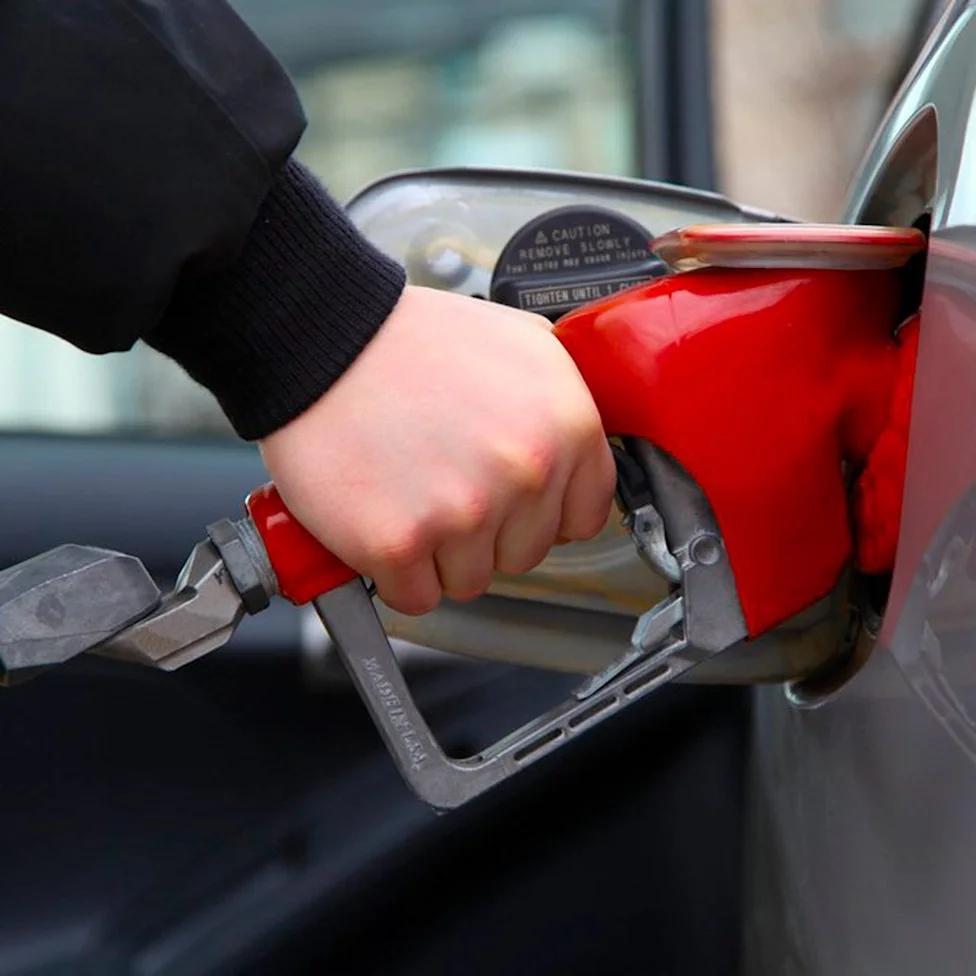
Topping off your tank when fuelling up might not seem like a big deal, but it's one of the most common mistakes people make at the petrol station. "Odds are the gas is going to puke back and spill, so you just threw money on the ground to be able to drive 10 more miles, assuming you drove your car till the fuel tank was empty, which no one does," says Chris "Moose" Pyle, an automotive expert with JustAnswer. More importantly, over-fuelling can damage your car. "If you overfill the tank, the EVAP system could ingest liquid fuel," says Pyle. "This will damage the EVAP system, and it will make your car run poorly as the EVAP system tries to purge the fuel out of the canister."
Fuelling on the wrong day
Gas prices fluctuate depending on the day of the week. The beginning of the week typically has cheaper gas prices compared to the weekend. So if you're starting to get low on gas, don't wait until Friday or Saturday to fuel back up. Planning your fill-ups around the cheaper days can add up to meaningful savings over the course of a year.
Not going to the cheapest station
It may be more convenient to go to the gas station nearest your house, but that doesn't mean you're getting the best deal. There are a wide range of gas price apps and websites to help you locate the cheapest gas in your area. "While it's a good idea to shop around for the best-priced fuel, keep in mind it is not a good idea to go too far out of your way to get it," says Pyle. "Your savings are likely going to be lost in the one gallon you used to get there and back." The key is to find a station that's reasonably close and competitively priced, rather than driving across town to save a few cents.
Overlooking loyalty programs
Major gas chains like Circle K, Exxon Mobil, Shell and others offer fuel reward programs that can save you money when you fuel up. If you regularly get your gas at the same station, this might be a good option for you to consider. "Getting 5 to 10 cents off per gallon adds up," says Pyle, "but buy gas and gas only. Do not go into the store, as you likely do not need those chicken fingers, that energy drink, or a peanut butter cup. Eat healthier and save the money for a nice dinner with your spouse or family." Loyalty programs only save you money if you stick to fuel and resist the temptations inside the store.
Waiting too long to fuel up
You should never wait until your gas light comes on to refuel your car. Driving near empty leaves you at risk of being stranded. And running out of gas can damage your vehicle's fuel pump over time. Fuel pumps rely on the fuel in the tank to stay cool and lubricated; running consistently low can shorten the pump's life. It's better to fill up when you still have a quarter tank left.
Buying premium gasoline
Premium gasoline can cost 30 percent or more than regular gasoline. That extra cost is often without any added benefit. In fact, drivers wasted more than US$2 billion on premium gasoline in 2015, according to AAA. "Premium fuels are not a necessity unless your car manufacturer specifies it," says Sam. "Otherwise, most cars are designed to run on regular gas, and it is better to continue that practice to keep your wallet happy." Check your owner's manual to see what fuel grade your car actually requires.
Not inflating tires properly
Inflating tires at a gas station usually costs money, but it's still a good idea to check your tires when fuelling up and adding air if needed. Driving with under-inflated tires will greatly depreciate your gas mileage. "Less inflation means more rolling resistance, making the engine work harder and causing it to burn extra fuel," says Sam. "A rightly inflated tire can increase gas mileage in the range of 0.6% to 3%, according to the US Department of Energy." Under- or over-inflated tires will also wear faster, costing you more money in the long run. To find the optimal tire pressure for your car, check the tech spec plate inside the driver's door jamb or your owner's manual.
Not using a rewards credit card
Many credit cards allow you to choose perks that work best for you, like cash back incentives at gas stations and grocery stores. Check what yours offer. A card that gives you a few per cent back on fuel purchases can add up to significant savings over a year, especially if you drive regularly. Pairing a rewards card with a loyalty program can maximise your savings at the pump.
The bottom line
Small habits at the petrol station can add up to hundreds of dollars wasted each year. Topping off, buying premium fuel unnecessarily, ignoring tyre pressure and missing out on loyalty programs and rewards cards are all easy fixes. By planning your fill-ups, choosing stations wisely, keeping tyres properly inflated and using the right fuel grade, you can keep more money in your pocket without changing how you drive.
 Watch AD Unlock More
Advertisement


Advertisement


Advertisement


Advertisement